
Why Linoleum Delivers Sustainable Beauty Without High Costs
By Dawn Jura and Greg Roff | March 11, 2026
Linoleum is experiencing a well-deserved revival as homeowners search for materials that balance style, sustainability, and affordability. Once associated with decades past, today’s linoleum has evolved into a design-forward option that meets modern expectations for eco-conscious living. Made from natural, renewable ingredients, it offers a responsible alternative to many synthetic flooring products without sacrificing durability or visual appeal. As more people prioritize reducing their environmental impact while staying within budget, linoleum has emerged as a practical and attractive solution. This article explores how linoleum delivers long-lasting performance, versatile design options, and meaningful environmental benefits—making it a smart choice for kitchens, bathrooms, and beyond.
Choose Sustainable Materials That Reduce Environmental Impact
Linoleum is inherently sustainable due to its composition, primarily from natural materials like linseed oil, cork dust, wood flour, and natural pigments. These elements are renewable and biodegradable, making linoleum a flooring option that minimizes environmental impact from production to disposal. This contrasts sharply with synthetic materials such as vinyl, which require extensive energy inputs and produce harmful byproducts during manufacturing. As sustainability becomes a deciding factor in design, linoleum offers a clear path towards eco-friendly living. Its plant-based ingredients also contribute to a reduced carbon footprint compared to petroleum-based alternatives.
The production process of linoleum is energy-efficient, further contributing to its sustainable credentials. Unlike many manufactured flooring types that involve significant chemical use, linoleum's production relies on harvesting and processing natural resources. This not only reduces chemical pollution but also supports agricultural industries. Furthermore, the longevity of linoleum reduces the need for frequent replacements, translating into long-term environmental benefits by conserving resources and reducing waste. By choosing materials designed to last, homeowners actively reduce the cycle of consumption and disposal.
Additionally, linoleum's resilience and the ability to resist wear and tear mean it has a longer lifecycle compared to other flooring materials. Its capacity to resist moisture, according to 360iResearch Linoleum Flooring analysis, even surpasses that of hardwood by 40%, thereby preventing 25% of typical water damage claims in areas like kitchens and bathrooms. This durability lessens the environmental impact by minimizing landfill waste. A longer-lasting floor ultimately means fewer raw materials are extracted, and fewer products are discarded over time.
Compare Performance and Costs to Make a Smarter Flooring Decision
Linoleum competes effectively against other flooring options such as vinyl, hardwood, and laminate due to its mix of affordability, style, and sustainability. While vinyl can offer a cheaper upfront cost, its environmental drawbacks and potential off-gassing from volatile organic compounds (VOCs) make linoleum a healthier choice for homes. In comparison to hardwood, linoleum offers a similar aesthetic flexibility without depleting forest resources or contributing to deforestation. This balance of environmental responsibility and visual appeal makes linoleum a well-rounded alternative in today’s flooring market.
The performance of linoleum is noteworthy, particularly in terms of moisture resistance. This feature significantly cuts down on the prevalence of water damage claims, preferred for kitchen and bathroom installations where moisture is a persistent concern. Furthermore, linoleum is naturally antibacterial, making it a great alternative to carpet in environments where cleanliness and allergen control are priorities. These built-in protective qualities enhance indoor air quality while supporting a healthier living environment.
Financially, linoleum provides cost advantages both in terms of initial installation and long-term maintenance. The cost-effectiveness is further enhanced by its durability and relatively low care requirements, contrasting with the higher maintenance demands and costs associated with carpeting and hardwood. Linoleum's resilience against heavy foot traffic and staining also makes it a practical choice for high-use areas, offering savings on both cleaning and repair costs over time. Over the lifespan of the floor, these cumulative savings can make a meaningful difference in overall renovation budgets.
Explore Versatile Designs That Elevate Any Interior Style
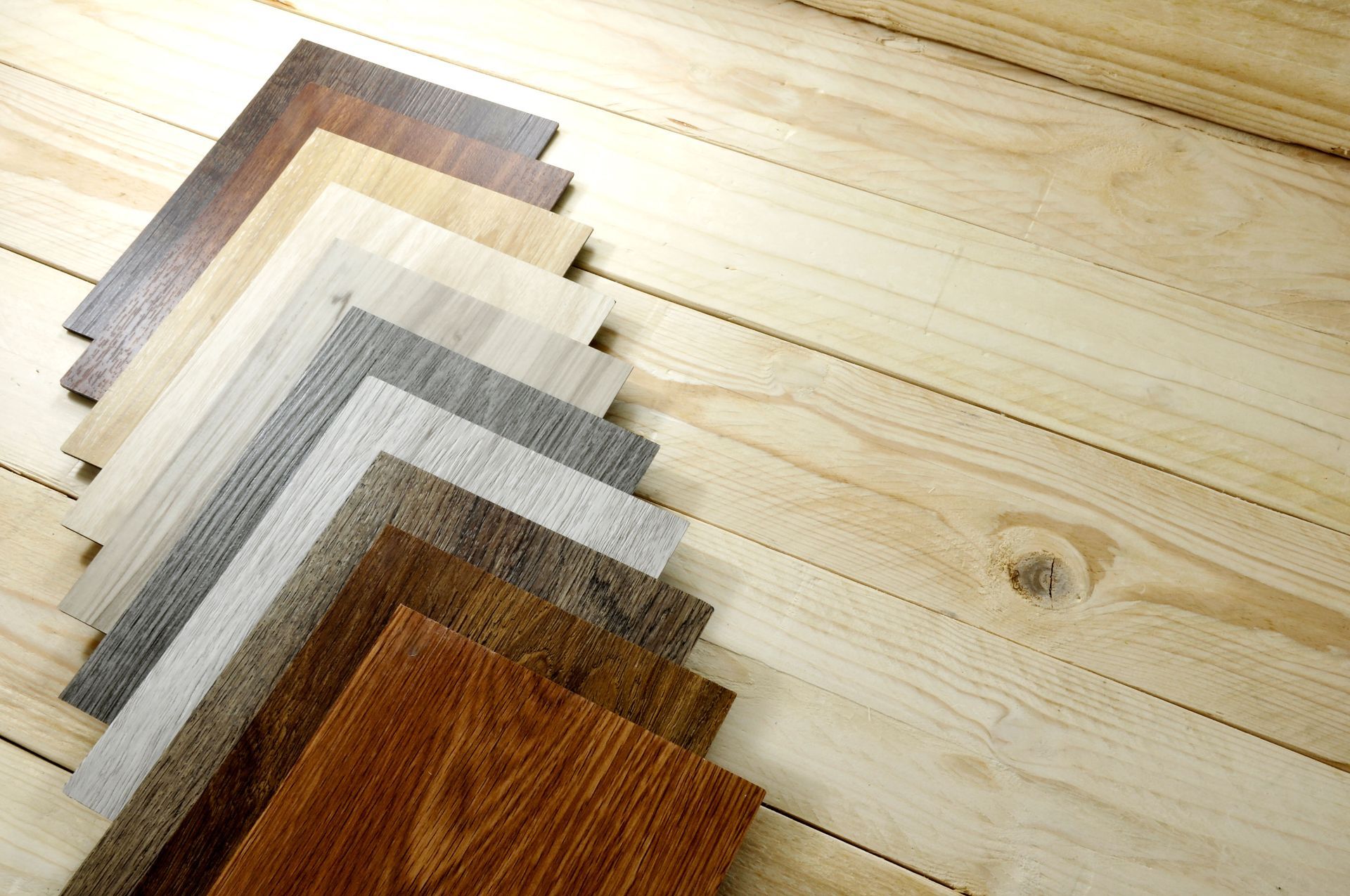
Linoleum offers a wide range of aesthetic possibilities thanks to its availability in a plethora of colors, patterns, and finishes. Its versatility makes it suitable for various design themes, from classic to contemporary styles. The vibrancy of linoleum's natural pigments ensures that colors remain vivid over time, resisting fading from sunlight exposure—a common issue with other flooring materials such as carpets or certain types of vinyl. This long-lasting color retention allows homeowners to invest confidently in bold or subtle design choices without worrying about premature dullness.
Incorporating linoleum into interior designs not only enhances beauty but also creates a warm, inviting atmosphere. Its natural texture and organic feel provide a unique aesthetic appeal that synthetic materials often lack. The customizable nature of linoleum allows homeowners and designers to experiment with creative layouts and patterns, from geometric designs to abstract art-inspired floors, offering bespoke solutions for personalized spaces. This design flexibility makes linoleum equally suitable for statement-making focal points or understated, cohesive backdrops.
Linoleum's ability to simulate the appearance of more expensive materials, like stone or wood, without the associated cost, adds to its allure. This quality allows for high-end design appearances on a budget, making it accessible without compromising style. Whether it's a retro checkered pattern or a sleek solid hue, linoleum is instrumental in bridging the gap between classic elegance and modern minimalism. By combining affordability with visual sophistication, it empowers homeowners to achieve elevated interiors without exceeding their renovation budgets.
Maintain Properly to Extend Lifespan and Preserve Beauty
Maintaining linoleum is relatively straightforward, which contributes to its appeal as a low-maintenance flooring option. Routine cleaning involves simple tasks such as sweeping and mopping with a damp mop to remove dirt and debris. Using a pH-neutral cleaner specific to linoleum can preserve its finish and keep it looking vibrant. Regular care helps mitigate scratches and wear, ensuring the flooring remains attractive over the years. Consistent upkeep also helps preserve the material’s natural sheen, allowing it to retain its fresh, polished appearance with minimal effort.
To extend the life of linoleum, it's advisable to use protective pads under heavy furniture and avoid dragging items across its surface. In high-traffic areas, applying a wax or polish can protect the surface from scratches and extend its beauty. Addressing spills promptly is crucial to prevent stains and water damage, though linoleum's moisture resistance already offers a protective advantage compared to many other flooring materials. Taking these preventative measures can significantly reduce long-term repair costs and keep the floor looking like new.
Periodic deep cleaning with a specialized linoleum cleaner will further protect the integrity of the floor. Re-coating the surface every few years, based on the manufacturer's recommendations, can help maintain the floor's resilience and appearance. Following these maintenance guidelines not only ensures that linoleum remains an attractive part of your home but also sustains its environmentally friendly benefits by minimizing the need for early replacement. With proper care, linoleum can continue delivering dependable performance and timeless style for decades.
Linoleum proves that sustainable design does not have to come with a premium price tag. With its natural composition, impressive lifespan, moisture resistance, and wide range of colors and patterns, it offers a compelling blend of function and beauty. Homeowners can achieve high-end aesthetics while supporting environmentally responsible choices and keeping long-term maintenance costs low. Far from being a relic of the past, linoleum stands as a forward-thinking flooring solution that reflects today’s priorities—durability, affordability, and sustainability. Linoleum remains a dependable and rewarding investment. Reach out to Pro Flooring to learn more about our services today.
Share On: