
How New Flooring Can Increase Your Home's Value
By Dawn Jura and Greg Roff | October 12, 2026
Flooring is one of the most critical elements of a home's aesthetic and functional appeal, playing a pivotal role in both the look and value of a property. Upgrading your home's flooring not only enhances its visual appeal but also contributes to its overall market value. In this article, we explore the multifaceted benefits of new flooring and demonstrate how it can be a solid investment in your property's future. We will also discuss various flooring materials, the value of professional installation, current trends, budgeting considerations, and real estate insights to guide homeowners in making informed decisions. With the U.S. flooring market value expected to rise to $54.3 billion in 2027, according to the Freedonia Group, understanding these dynamics is more important than ever for anyone considering home upgrades.
The Importance of Flooring in Home Value
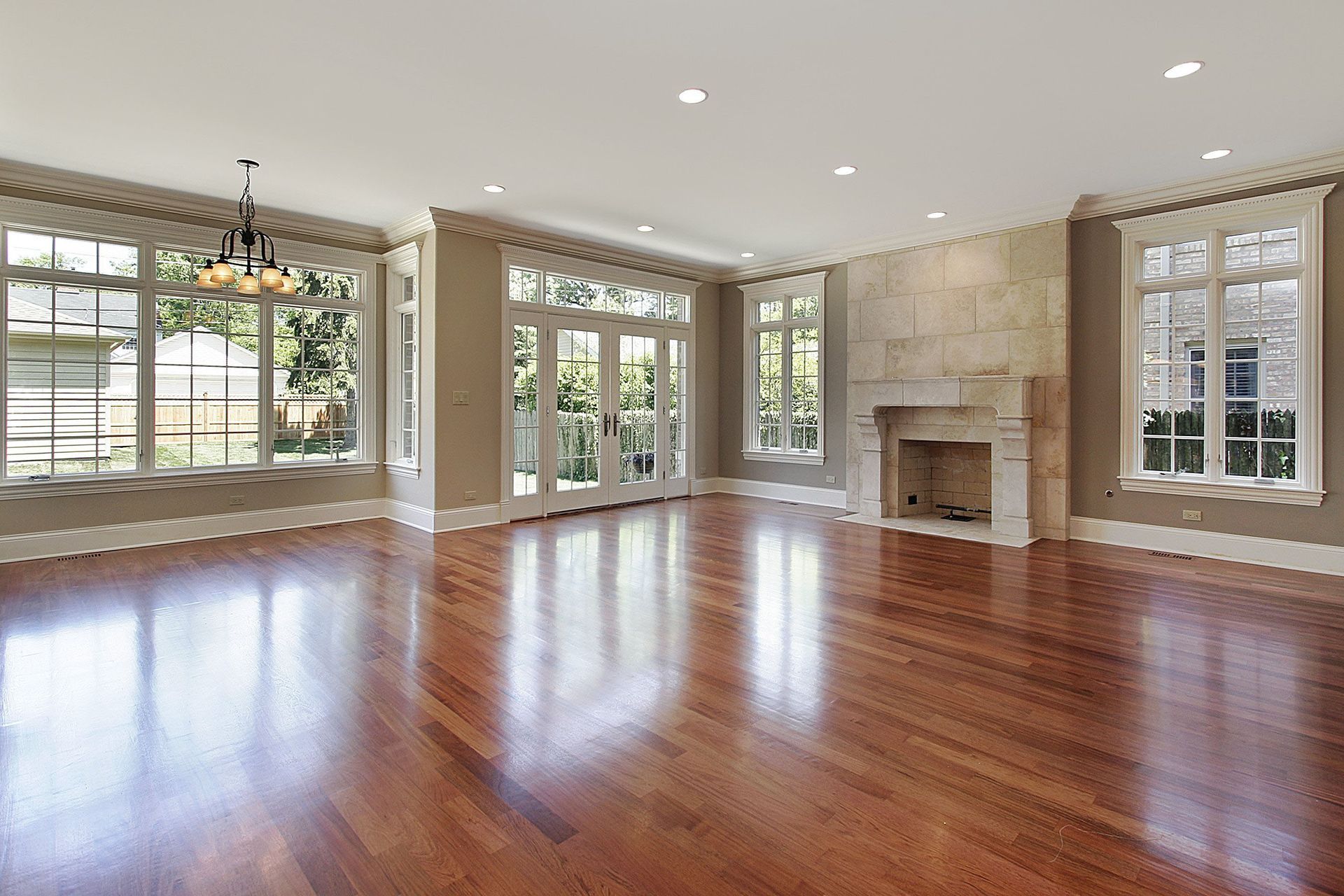
First impressions are crucial in real estate, and nothing creates a more immediate visual impact than flooring. New flooring can transform a space by enhancing its aesthetic appeal and setting the tone for the entire home. The choice of material, color, and design can significantly influence how potential buyers perceive the property. Well-chosen flooring materials can complement the architectural style of the home, making it look more cohesive and inviting. In essence, the right flooring can make a prospective buyer feel at home before they even move in, which can encourage offers closer to your asking price.
The aesthetic appeal of flooring also extends to how it interacts with other elements of the home’s interior decor. For instance, flooring that highlights and harmonizes with the home’s color palette can enhance the perception of space and light. Whether it’s the warm tones of hardwood or the sleek feel of luxury vinyl, the color and finish of the flooring add layers to the overall decor. This seamless integration can make rooms appear larger, more modern, and more luxurious. In this way, flooring doesn’t just contribute to the aesthetic appeal; it amplifies it, enhancing the home’s attractiveness to potential buyers and increasing its market value.
Moreover, the right flooring can act as a foundation for enhancing other design elements in the home. From rugs to furniture, every piece seems more elegant and intentional when laid over quality flooring. In historical homes, matching flooring with the original design can maintain authenticity while bringing a modern touch. On the other hand, contemporary homes can benefit from sophisticated flooring trends that reflect modern tastes. By investing in new flooring, homeowners can significantly up the aesthetic ante of their interiors, invariably adding to the home’s overall value.
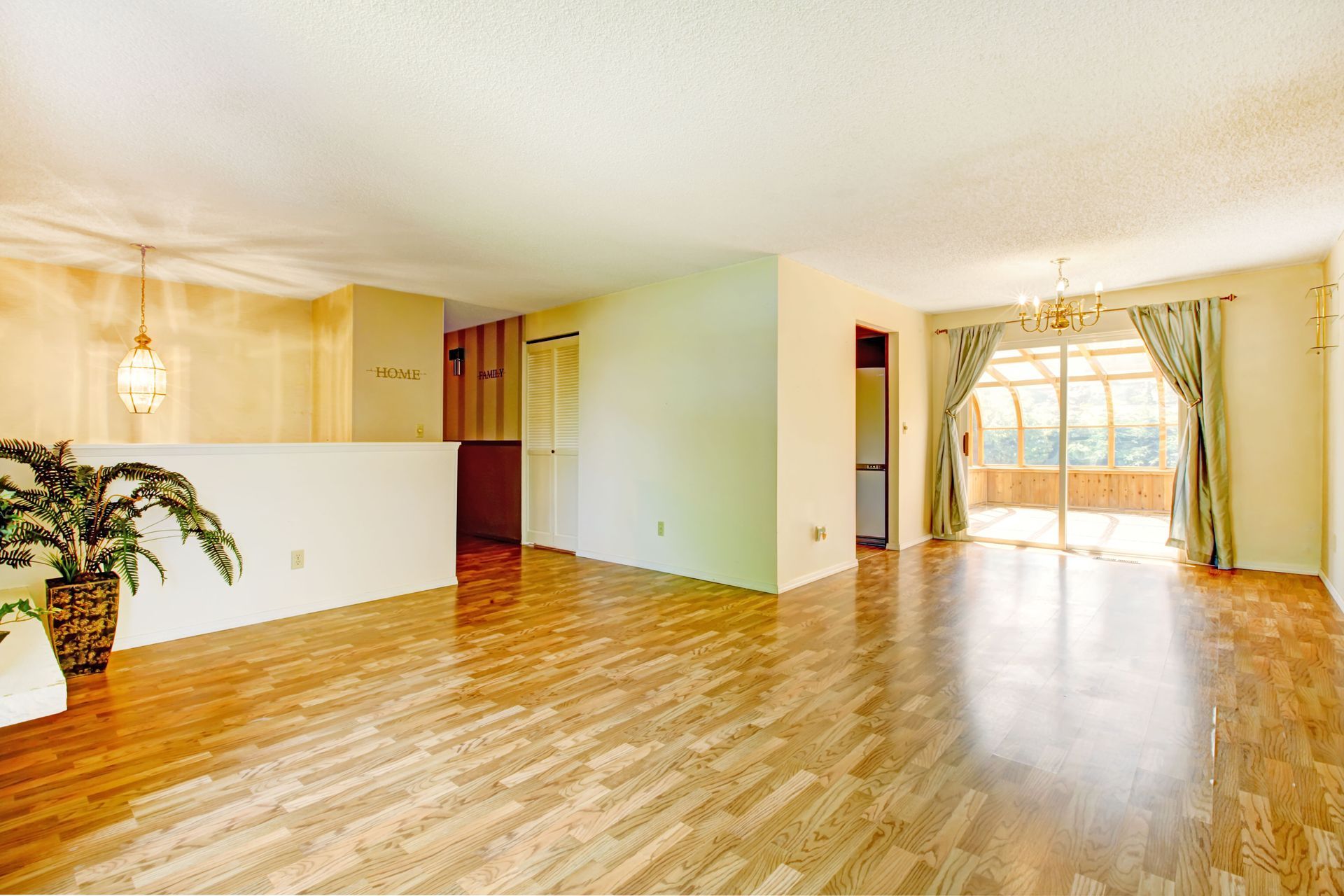
The quality of your flooring can have a reflective impact on your home’s market value. Potential buyers often view old, worn-out flooring as a costly future expense and may offer lower bids to counterbalance this perceived need for replacement. In contrast, a home with new, well-installed flooring can be seen as move-in ready, making it attractive to a broader range of buyers. With the increasing awareness of flooring technology and material innovations, homebuyers today regard flooring as an essential factor in defining a home's real market value. Enhanced flooring can, therefore, provide an edge in competitive real estate markets.
Well-maintained and carefully chosen flooring materials are often perceived as indicators of the overall maintenance and quality of the home. Just as visible, aesthetic appeal matters, the subconscious messaging of new flooring triggers perceptions of care and upkeep, which can directly influence the property’s market value. Buyers often correlate newer flooring with a lesser likelihood of surprise repairs or immediate renovations post-purchase. As such, the presence of new flooring can lead to higher valuation by appraisers, sometimes offsetting the initial cost of installation through an increased sale price.
To make a smart investment in new flooring, homeowners need to evaluate their potential return on investment (ROI). One approach is to analyze the cost of installation against the projected increase in home value post-installation. Flooring upgrades are often cited in real estate reports as one of the top-value renovations that yield substantial ROI, often returning between 70% to 80% of the initial investment. By selecting materials that are currently in demand and align with homebuyer interests, homeowners can maximize their returns, making their investment in flooring a potentially profit-generating maneuver.
Types of Flooring Materials that Boost Home Value
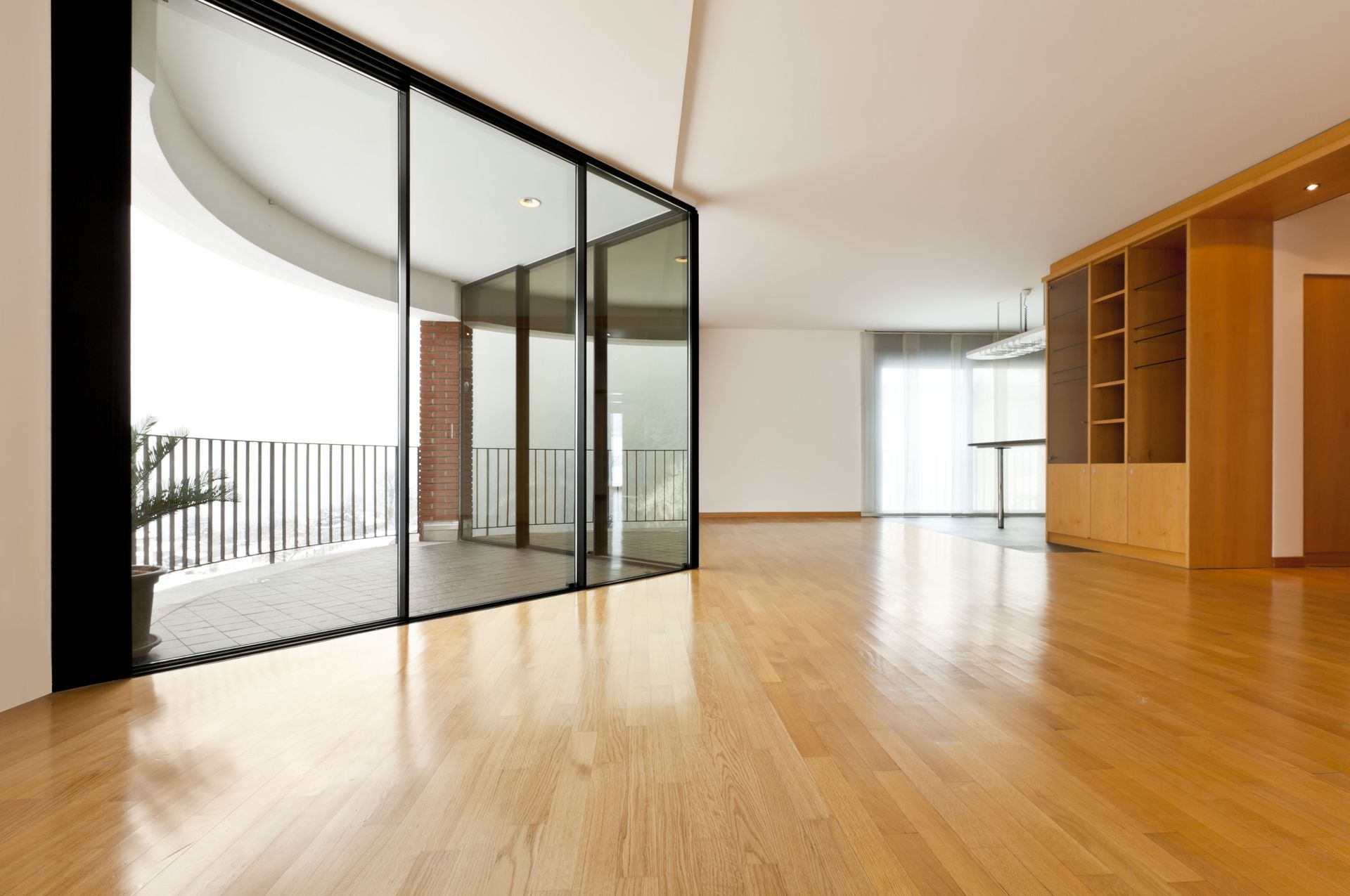
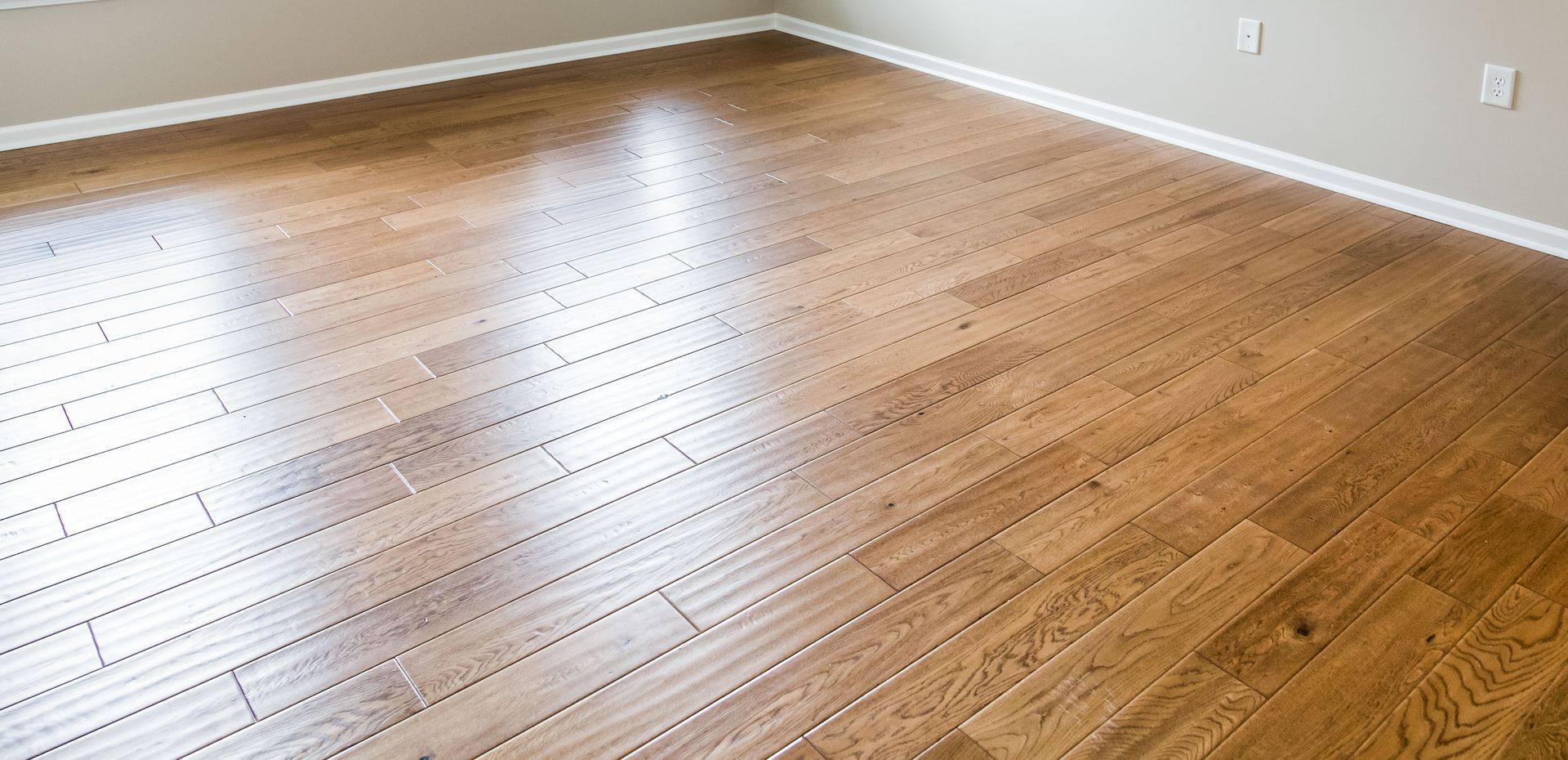
Hardwood flooring remains a timeless choice that significantly boosts home value, due in part to its natural beauty and durability. Real estate agents and interior designers continuously endorse hardwood as a top-tier choice because it appeals to a wide demographic of potential buyers. Its classic aesthetic can seamlessly complement diverse interior design styles and offers a neutral canvas that aligns well with varied personal tastes. With proper care, hardwood flooring can last for decades, providing lasting value and justified cost-efficiency over time. Furthermore, environmentally conscious buyers might be attracted to sustainably sourced hardwood that combines luxury with eco-friendliness.
The allure of hardwood flooring extends beyond mere beauty, as it enhances the overall appeal and functionality of a home. Easy to clean and resistant to allergens, hardwood meets both aesthetic and practical needs that are increasingly valued in contemporary homebuyers' circles. In terms of investment, it tends to yield one of the highest returns compared to other home renovation efforts. According to industry trends and forecasts, homes with well-maintained hardwood floors consistently achieve higher appraisals and swifter sales. The inclusion of hardwood is thus a strategic investment that promises to accentuate not only a home's aesthetics but also its market viability and sales potential.
Moreover, in terms of practical installation, hardwood floors offer flexibility and straightforward repairs. Individual planks or sections that experience damage can be changed without replacing the entire floor, providing economical and less disruptive maintenance solutions. This feature adds a layer of assurance for homeowners concerned about long-term utility. Moreover, the trend towards natural materials ensures its continued relevance, making hardwood not just a current choice, but a future-proof one as well. The addition of hardwood flooring is a distinguished way to underscore both value and vogue in home design strategies.
Engineered wood flooring emerges as a versatile and valuable alternative to traditional hardwood flooring, offering the same look and feel but with enhanced practicality. Comprised of a thin, top layer of real wood over high-quality plywood, engineered wood turns attention to both aesthetics and durability. This flooring type excels in environments subject to fluctuations in temperature and humidity, such as basements and kitchens, due to its construction design ensuring a low reaction to moisture. For homeowners seeking the beauty of natural wood without compromising durability, engineered wood stands out as an optimal choice. It holds significant appeal for buyers focused on finding a stylish yet practical flooring option.
A significant advantage of engineered wood is its adaptability to a variety of installation methods, such as floating, glue-down, or nail-down, making it suitable for different surfaces. Quick and less intricate installation processes, often achievable over existing flooring, translate into reduced labor costs and shorter renovation times. This flexibility allows for smooth execution of home upgrades, maximizing cost efficiency while delivering aesthetic upgrades. Buyers appreciate floors that reflect innovative construction, and engineered wood strengthens the narrative of conscientious, thoughtful selections without sacrificing style or resilience. Homeowners find this a budget-friendly alternative with comparable aesthetic returns to solid wood, but with enhanced stability.
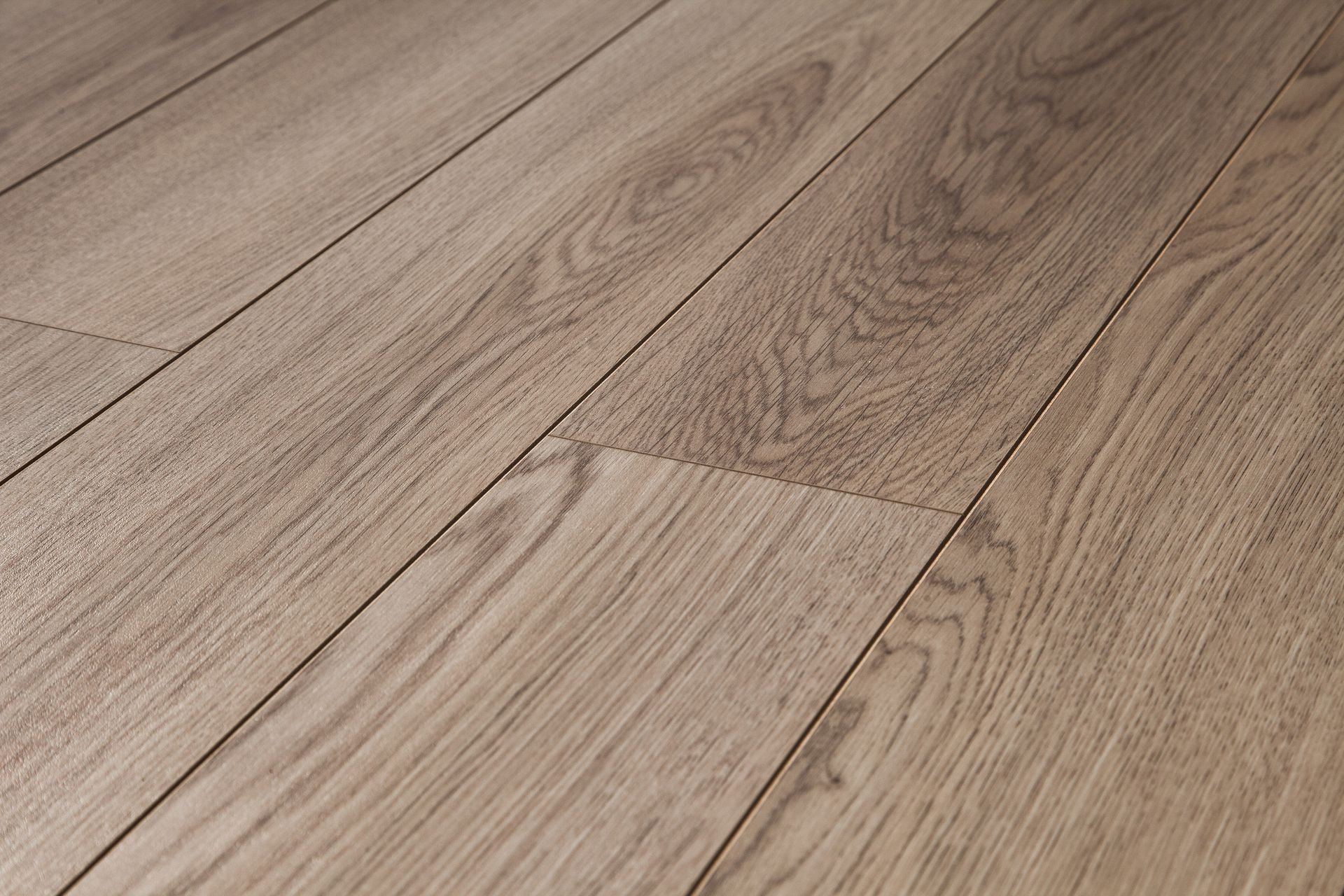
Luxury Vinyl Planks (LVP) and Tiles (LVT) have risen in popularity, renowned for merging durability with visual allure, akin to natural wood or stone. These flooring options imitate high-end natural flooring styles at a fraction of the cost, positioning them as valuable budget-conscious alternatives. Thanks to technological advances, luxury vinyl now offers exceptional resistance to scratches, moisture, and wear, making it ideal for high-traffic areas and households with pets or children.
Ultimately, new
flooring can enhance a home's appearance, functionality, and potential market value when the material and installation are carefully considered. From timeless hardwood and versatile engineered wood to durable luxury vinyl, homeowners have several options to match their needs and budgets. By weighing factors such as durability, style, maintenance, installation costs, and buyer preferences, homeowners can choose flooring that provides lasting benefits while supporting the overall appeal of their property. For more information, contact Pro Flooring today.


Share On: