
Hardwood vs. Vinyl Plank Flooring: Which is Right for Your Lifestyle?
By Dawn Jura and Greg Roff | June 15, 2026
Choosing the right flooring for your home is one of the most significant decisions a homeowner can make, impacting not only the aesthetic appeal of your space but also its long-term value and daily functionality. The debate often centers on two heavyweights: timeless hardwood and modern vinyl plank flooring. While hardwood has long been the gold standard for luxury and longevity, the rapid advancement of flooring technology has propelled synthetic alternatives into the spotlight, offering looks that are nearly indistinguishable from the real thing.
This decision isn’t just about picking a color or a texture; it’s about aligning a material’s physical properties with the realities of your household. Are you living in a high-traffic home with energetic pets and young children, or are you looking to create a sophisticated, quiet sanctuary that will appreciate in value over decades? By understanding the structural differences, maintenance requirements, and environmental impacts of each option, you can make an informed choice that balances your personal style with the practical demands of your unique lifestyle.
Analyzing Durability and Environmental Resistance
When comparing these two popular materials, durability is often the primary concern for active households. Hardwood is a natural, organic product, which means it is susceptible to the elements. It can scratch under the claws of a large dog, dent if a heavy pot is dropped in the kitchen, and, most importantly, it reacts to moisture. Because wood is porous, it expands and contracts with changes in humidity, and standing water can cause permanent warping or "cupping." This makes traditional hardwood a risky choice for bathrooms or basements where moisture levels are consistently high.
In contrast, vinyl plank flooring is engineered specifically to withstand the rigors of a chaotic modern life. Most high-quality versions are constructed with a rigid core (often SPC or WPC) that makes them 100% waterproof. This allows you to carry a cohesive look from your living room straight into your full bathroom or laundry room without fear of water damage. Furthermore, the top "wear layer" of modern planks is designed to resist scratches, stains, and fading from UV light. For families who don't want to worry about a spilled glass of juice or muddy footprints, the resilience of synthetic materials provides a level of peace of mind that natural wood simply cannot match.
Evaluating Aesthetic Versatility and Material Dimensions
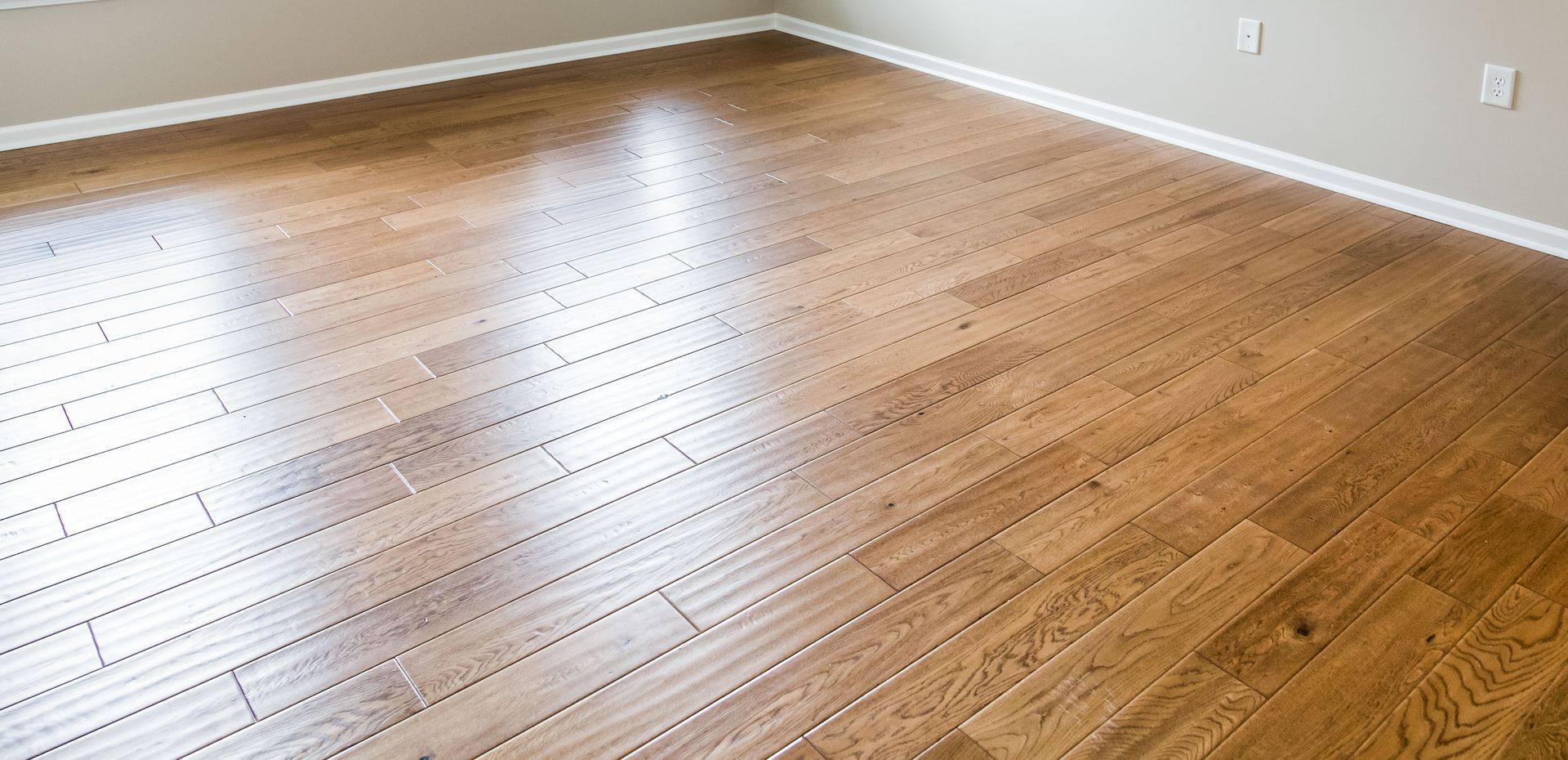
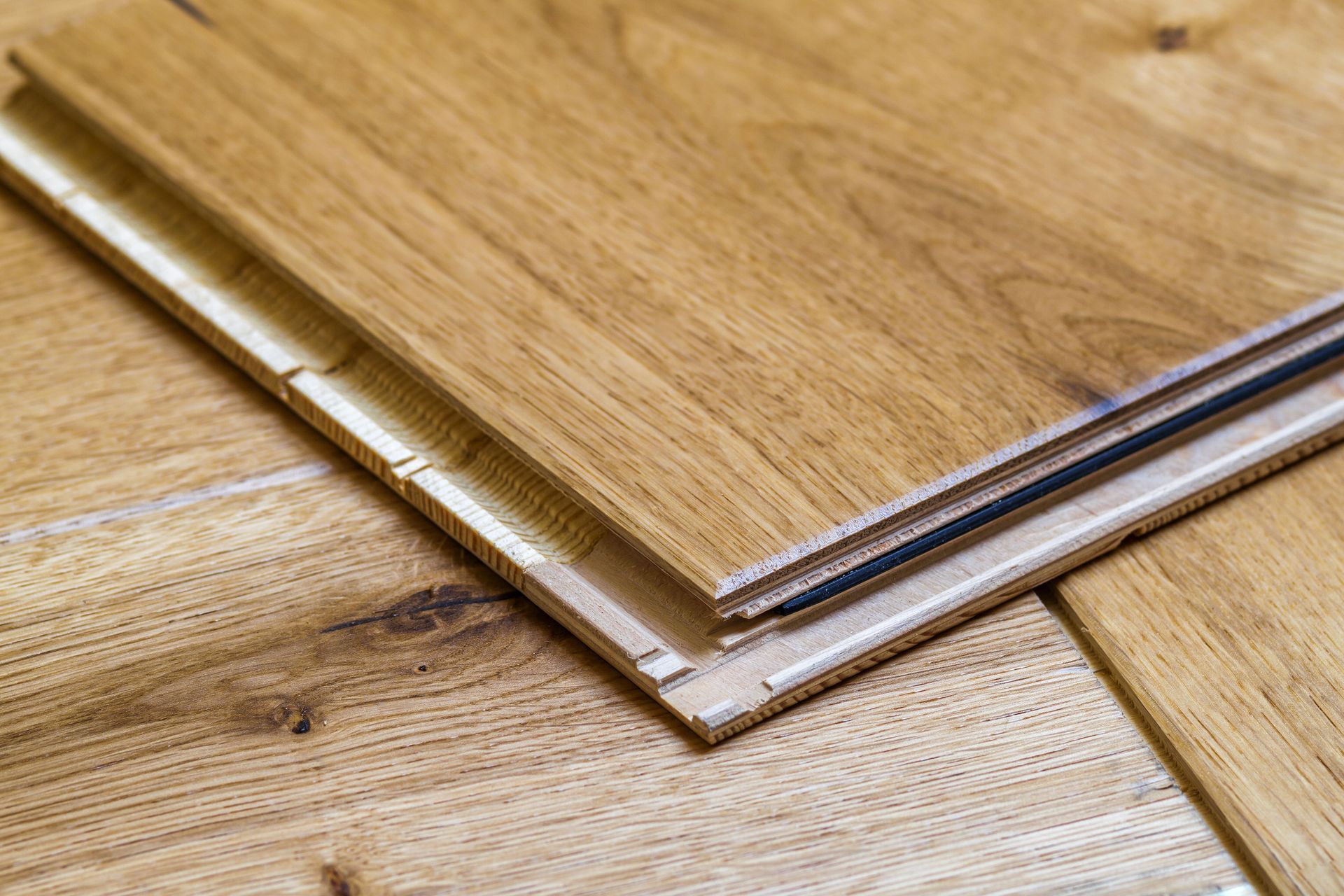
The visual appeal of a floor often dictates the entire mood of a room. Hardwood offers an authentic, "one-of-a-kind" beauty that stems from the unique grain patterns, knots, and mineral streaks found in every tree. No two boards are exactly alike, providing a depth and warmth that many find irreplaceable. Whether it’s the rugged charm of wide-plank reclaimed oak or the sleek, uniform look of maple, hardwood provides a tactile luxury that feels substantial underfoot and ages with a graceful patina.
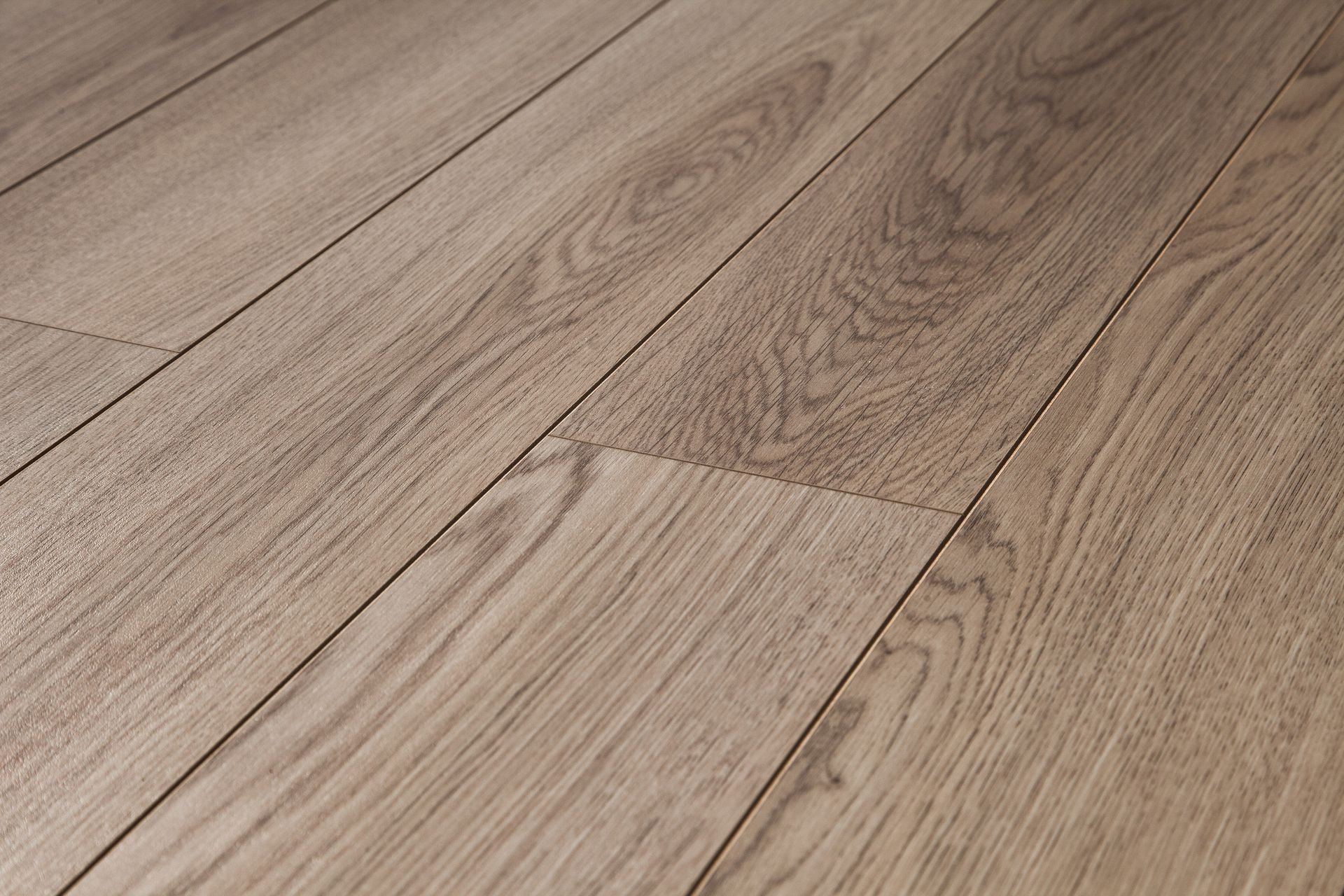
However, modern manufacturing has allowed synthetic options to close the aesthetic gap significantly. Today’s vinyl plank flooring utilizes high-definition printing and 3D embossing to mimic the texture of real wood grain, hand-scraped finishes, and even stone. This versatility extends to the physical size of the product as well, allowing for dramatic installations that were once difficult to source in natural wood. According to This Old House, the size of vinyl planks can be up to 12 inches wide and 96 inches long. These oversized dimensions can make a small room feel much larger and more modern, providing a high-end architectural look without the high-end price tag or the stability issues that often plague extremely wide natural wood boards.
Calculating Long-Term Value and Maintenance Requirements
The financial aspect of flooring involves both the upfront cost and the long-term return on investment. Hardwood is undeniably the more expensive option, both in terms of material and the professional labor required for installation (especially for sand-and-finish projects). However, it is the only flooring type that can actually increase the resale value of a home. Because hardwood can be sanded and refinished multiple times over its 50-to-100-year lifespan, it is often viewed as a permanent feature of the home rather than a temporary surface.
On the other hand, vinyl plank flooring is favored by budget-conscious renovators. Its "click-lock" installation systems often eliminate the need for glue or nails, significantly reducing labor costs. While it does not add the same equity to a home as solid oak or walnut, it is a highly attractive feature for buyers who prioritize "move-in ready" durability. Maintenance is also a major factor: while hardwood requires specific cleaners and periodic recoating, vinyl plank flooring can be maintained with a simple microfiber mop and pH-neutral cleaner. It never needs to be waxed, polished, or sanded, making it the superior choice for those who prefer a "set it and forget it" approach to home maintenance.
Deciding Based on Comfort and Acoustic Performance
Beyond looks and cost, the way a floor feels and sounds can drastically alter your living experience. Hardwood is a dense material that provides a firm, solid feel underfoot. While it doesn't offer much "give," it does retain heat better than tile or stone. However, hardwood can be noisy; footsteps, dropped objects, and pet echoes can travel easily through a house, especially in multi-story homes. Many homeowners find they need to supplement hardwood with area rugs to dampen sound and add softness to living areas.
Modern vinyl flooring is often engineered with an attached underlayment made of cork or foam. This integrated padding provides a slightly softer walking surface, which can reduce leg fatigue during long periods of standing in a kitchen. This backing also acts as a built-in sound barrier, absorbing the "click-clack" noise of footsteps and making the home feel quieter. If you live in a condo or have a busy second floor, the acoustic benefits of vinyl plank flooring are a significant advantage. Additionally, because it is thinner than hardwood, it is often more compatible with radiant heating systems, providing a cozy warmth during cold winter months without the risk of the material drying out and cracking.
The choice between hardwood and vinyl depends entirely on how you prioritize longevity versus lifestyle flexibility. Hardwood remains the premier choice for those who view their home as a multi-generational investment and appreciate the incomparable soul of natural materials. If you are willing to perform the necessary maintenance and your budget allows for a higher initial spend, the timeless elegance and value-added benefits of real wood are hard to beat. It is a classic choice that transcends trends, ensuring your home remains stylish for decades to come.
However, for the modern homeowner dealing with the "beautiful mess" of daily life, vinyl flooring offers a compelling combination of style, toughness, and value. Its waterproof nature and ease of installation make it a versatile hero for every room in the house, from the mudroom to the master suite. Ultimately, by weighing the importance of resale value against the need for a stress-free, low-maintenance surface, you can select the flooring that will best support your lifestyle and make your house truly feel like home. Whether you are drawn to the heritage of wood or the modern resilience of vinyl plank flooring, your decision will shape the comfort and character of your home for years to come. Ready to transform your home with durable hardwood or high-quality vinyl plank flooring? Contact us at Pro Flooring today to schedule your consultation and find the perfect match for your space.
Share On: